If diamonds are meant to capture light, the Portuguese cut takes that idea to its most dazzling extreme. Known for its intricate craftsmanship and dramatic sparkle, this cut offers a refreshing departure from the familiar styles seen in most jewelry showcases.
Instead of a simple play of brilliance, the Portuguese cut creates remarkable depth, where light seems to move and shimmer within the stone.
Rooted in the historic art of diamond cutting yet admired by modern collectors and designers, the Portuguese cut embodies both heritage and individuality. In the sections ahead, we explore what defines this remarkable diamond cut and what makes it stand apart.
What Is a Portuguese Cut Diamond?
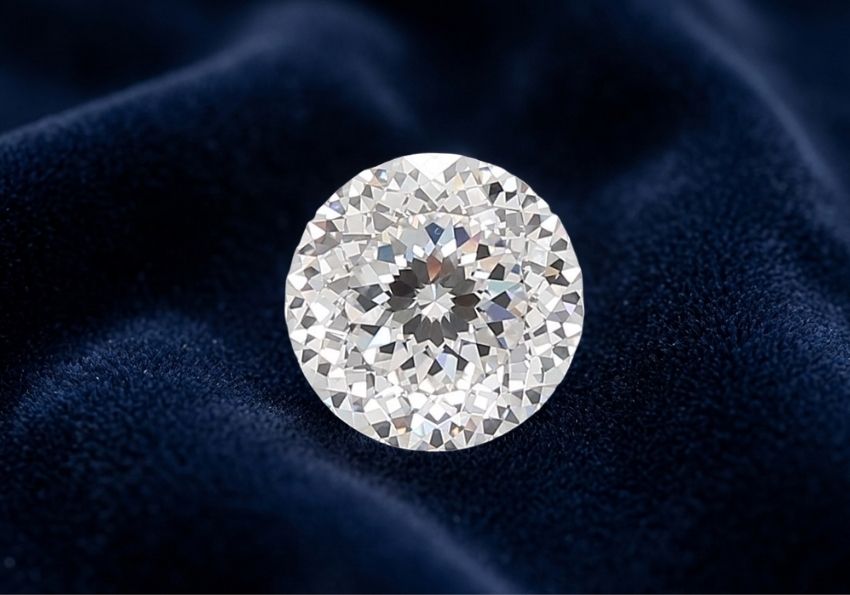
A Portuguese cut diamond is a round diamond cut known for its very high facet count, typically between 161 and over 200 facets. In comparison, a standard round brilliant cut has 57–58 facets. The additional facets create a dense pattern of light reflections that produces a kaleidoscope-like sparkle and exceptional brilliance.
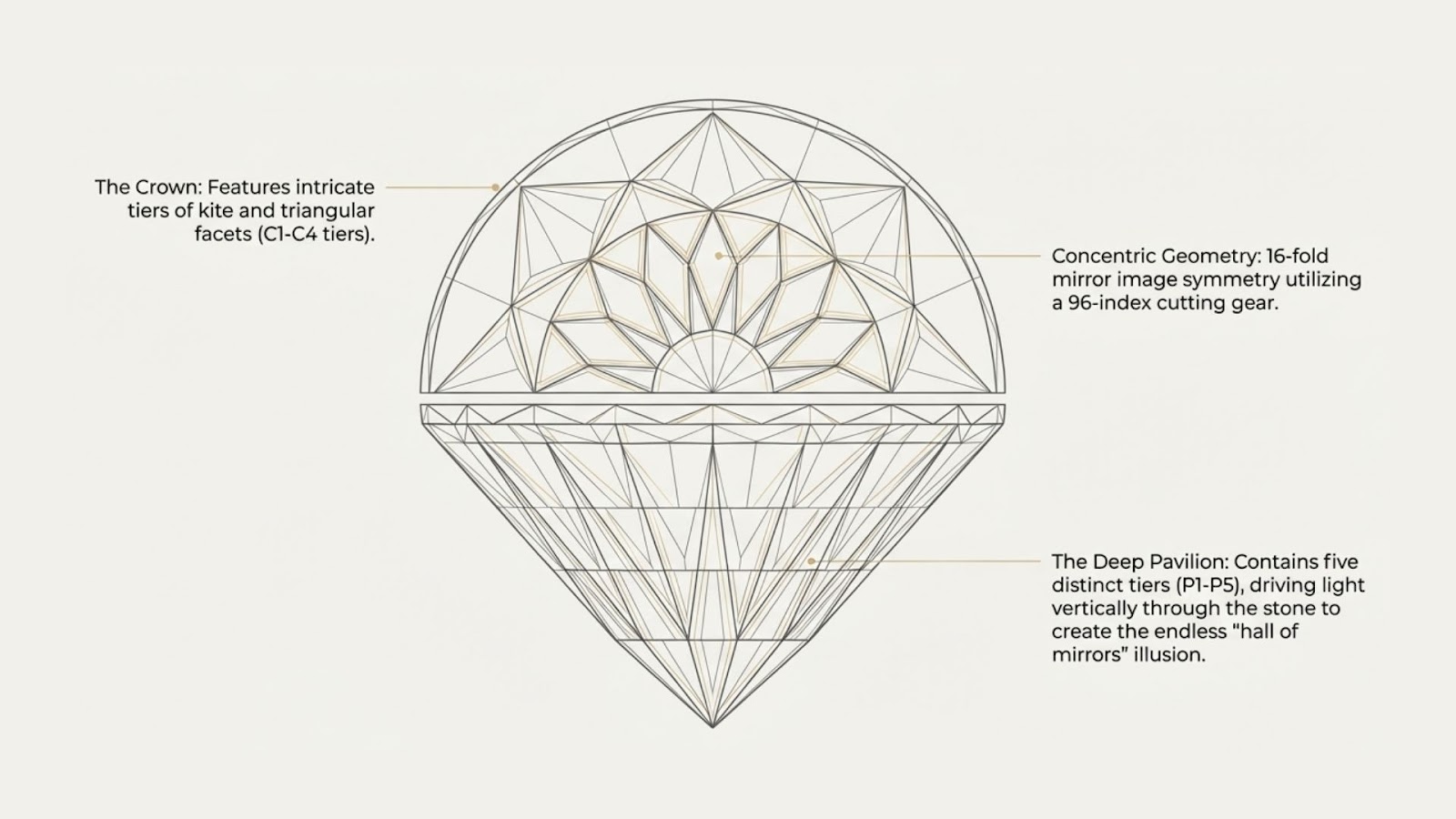
This cut features multiple rows of triangular and kite-shaped facets that extend from the crown to the pavilion. Because light travels through several internal planes before reflecting back, the diamond displays a layered, shimmering effect rather than the larger flashes seen in traditional brilliant cuts.
As a result, Portuguese cut diamonds are known for their remarkable visual depth and dynamic sparkle, appearing vibrant and lively under different lighting conditions.
Why is it called a Portuguese cut diamond?
The Portuguese cut diamond is named for its association with Portugal’s historic diamond trade and cutting expertise, particularly after Brazil’s 18th-century discoveries under Portuguese rule fueled European gemworking innovations.
The cutting style became associated with Portuguese gem-cutting traditions and craftsmanship. It is recognized for its intricate, highly faceted structure, which creates a dense pattern of light reflections and gives the stone its distinctive, layered brilliance.
While frequently confused with the 127.01-carat 'Portuguese Diamond' (an octagonal step-cut from South Africa, discovered in 1918), the true Portuguese cut is a distinct round faceting style that remains a vintage masterpiece.
Today, Solitaire Lab Diamond continues this heritage by offering Portuguese Cut Lab Grown Diamonds in multiple shapes, preserving the artistry of this historic cut while embracing modern craftsmanship and ethical sourcing.
What makes Portuguese Diamond Unique?
The Portuguese cut diamond is known for its extremely high facet count and distinctive light performance, which creates exceptional brilliance and a layered sparkle effect. Key characteristics include:
- High Facet Count
Portuguese cut diamonds often feature well over 100 facets, compared to the 57–58 facets of a standard round brilliant, creating a more intricate pattern of light reflections.
- Kaleidoscope Light Effect
The many facets produce a kaleidoscope-like sparkle, where light appears to swirl through the stone from different angles.
- Strong Fire and Brilliance
The complex faceting breaks white light into colorful flashes, producing strong dispersion and a fiery glow.
- Deep Pavilion Structure
Much of the diamond’s weight sits in a deeper pavilion, allowing light to travel through multiple internal planes before reflecting back.
- Best Performance in High-Dispersion Stones
Diamonds and moissanite are particularly well suited for this cut because their optical properties maximize the Portuguese cut’s intense sparkle.
- More Impactful in Larger Stones
Many experts suggest that the Portuguese cut works best in larger stones, often around 2 carats or more, where the intricate faceting can be fully appreciated.
While these characteristics define the unique sparkle and structure of the Portuguese cut, understanding how it compares with more common diamond cuts helps highlight what truly sets it apart.
Portuguese Cut vs Standard Diamond Cuts
The Portuguese cut diamond differs from standard diamond cuts mainly in its facet structure and light performance. While most modern diamonds use the round brilliant cut with 57 or 58 facets, the Portuguese cut uses a much more complex faceting style with over 100 facets, creating a layered sparkle pattern and deeper internal reflections.
|
Feature |
Portuguese Cut Diamond |
Standard Round Brilliant Cut |
|
Facet Count |
Often over 100 facets, commonly cited between 161 and over 200 facets |
Typically 57–58 facets |
|
Sparkle Pattern |
Dense, layered sparkle is often described as a kaleidoscope effect |
Balanced brilliance with broader flashes of light |
|
Light Performance |
Light travels through multiple internal facet layers |
Optimized for maximum brilliance and fire |
|
Stone Depth |
Usually deeper pavilion structure |
More balanced proportions |
|
Face-Up Size |
May appear slightly smaller due to added depth |
Typically appears larger face-up for the same carat |
|
Visual Character |
Dramatic sparkle with strong visual depth |
Classic diamond brilliance |
Because of its complex faceting and unique sparkle pattern, the Portuguese cut is often chosen for its distinctive appearance, while the round brilliant remains the most widely used standard diamond cut.
Different Shapes Of Portuguese Cut Diamonds
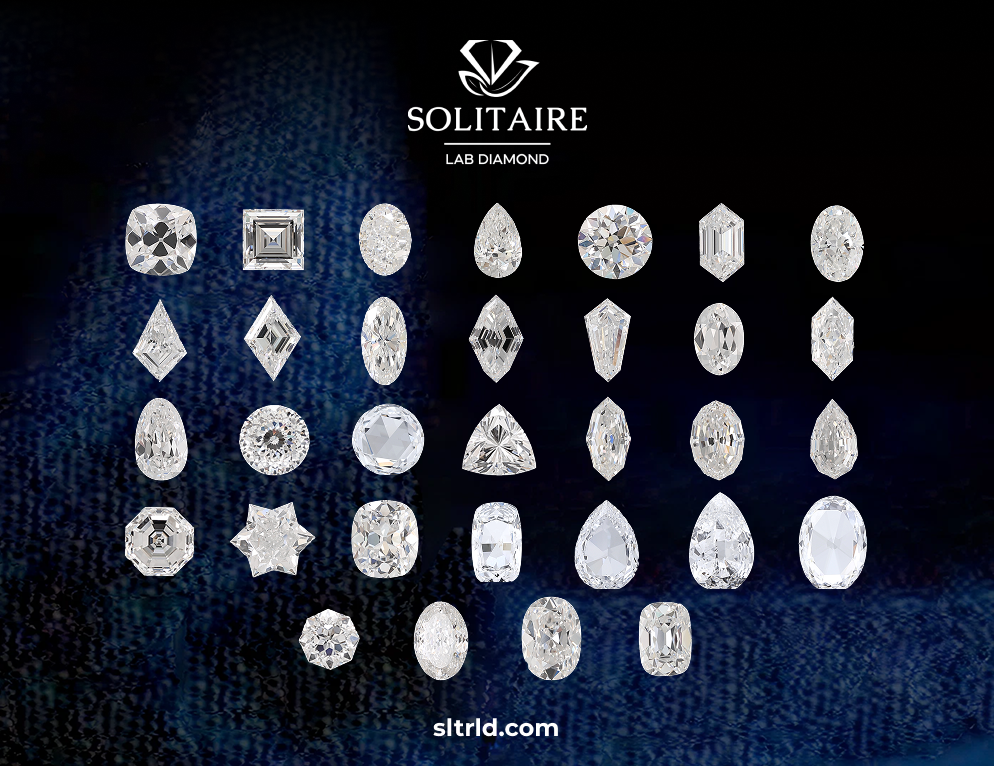
While the Portuguese cut is most commonly associated with a round design, modern cutting techniques allow this intricate faceting style to be adapted into several elegant shapes. Each shape preserves the distinctive sparkle of the Portuguese cut while offering a different visual character.
Portuguese Round Cut Diamond
The round Portuguese cut is the most classic version of this design. Its symmetrical shape highlights the dense faceting pattern, producing the signature kaleidoscope-like sparkle and strong brilliance.
Portuguese Oval Cut Diamond
The oval Portuguese cut offers a more elongated appearance while maintaining the layered sparkle of the Portuguese faceting style. This shape can create a slightly larger visual presence compared to round diamonds of similar weight.
Portuguese Cushion Cut Diamond
The cushion Portuguese cut combines the soft, rounded corners of a cushion shape with the intricate faceting of the Portuguese design. The result is a diamond with both vintage character and a richly textured sparkle.
Together, these variations allow the Portuguese cut to appear in multiple forms, giving buyers more flexibility while preserving the intricate sparkle that defines this unique diamond cut.
Advantages of Portuguese Lab-Grown Diamonds
Portuguese cut lab-grown diamonds combine intricate craftsmanship with the benefits of modern diamond technology.
- Identical Properties: Like natural diamonds, Portuguese cut lab-grown diamonds share the same chemical and physical properties, offering brilliance, hardness, and durability.
- Ethical and Responsible: Created in controlled laboratory environments, they offer a more ethical and sustainable choice, reducing the environmental and social concerns linked to traditional diamond mining.
- Cost-Effective: Lab-grown diamonds typically cost less than natural diamonds of similar quality, allowing buyers to opt for larger stones or higher grades within the same budget.
- Appealing and Modern: Portuguese cut lab-grown diamonds combine timeless craftsmanship with modern technology, making them an appealing choice for today’s ethical buyers.
Together, these qualities make Portuguese lab-grown diamonds a beautiful choice for engagement rings, offering distinctive sparkle, larger stones for the budget, and an ethical option many couples value today.
FAQ
What is a Portuguese cut lab-grown diamond?
A Portuguese cut lab-grown diamond is a laboratory-created diamond featuring the intricate Portuguese faceting style. Similar to natural diamonds, it carries the same chemical and physical properties.
How is the Portuguese cut different from other diamond cuts?
The Portuguese cut differs from most diamond cuts because it uses over 100 facets. While a standard round brilliant has 57–58 facets, it creates a dense sparkle and layered light reflections.
Is the Portuguese cut diamond still popular?
Yes, the Portuguese cut diamond is experiencing renewed interest, especially among buyers seeking distinctive, vintage-inspired designs. Its high facet count (often 161+ facets) creates intense brilliance and fire, making it an appealing choice for statement engagement rings, pendants, and cocktail rings.
How many cuts are in a Portuguese cut diamond?
A Portuguese cut diamond typically features over 100 facets, with many designs commonly cited between 161 and over 200 facets. This high facet count creates the cut’s signature "old soul, new life" diamond appeal and exceptional brilliance.
Find Your Perfect Portuguese Cut Diamond
The Portuguese cut diamond is admired for its intricate faceting, exceptional sparkle, and timeless character. Blending vintage-inspired craftsmanship with modern precision, this distinctive cut creates remarkable depth and layered brilliance that sets it apart from more traditional diamond styles.
Its unique light performance makes it a striking choice for those who appreciate diamonds with strong visual character.
Today, this historic cut is available with the benefits of modern lab-grown technology, offering the same beauty and durability with more responsible sourcing.
Solitaire Lab Diamond offers Portuguese cut lab-grown diamonds in multiple shapes, making it easy to create a distinctive Portuguese diamond ring, engagement ring, earrings, or other statement jewelry that showcases brilliance and sparkle from every angle.