If you have been looking for an engagement ring or a piece of fine jewelry, the conversation has probably changed. You are likely to see the term 'CVD diamond' appearing next to traditional mined stones.
To put it simply, a CVD diamond is a real diamond that is grown in a laboratory rather than being extracted from the earth. These are not "fakes" or "simulants" like cubic zirconia, but are chemically, physically, and optically identical to diamonds that formed underground over millions of years.
The acronym CVD stands for Chemical Vapor Deposition. That describes the specific technical method used to create the crystal structure of the stone.
While the technology sounds futuristic, it is actually the result of decades of research into how carbon atoms interact under specific conditions.
Today, this process allows us to create gem-quality diamonds that are so perfect that even professional jewelers often cannot distinguish them from mined stones without specialized laboratory equipment.
How does the CVD process actually work?
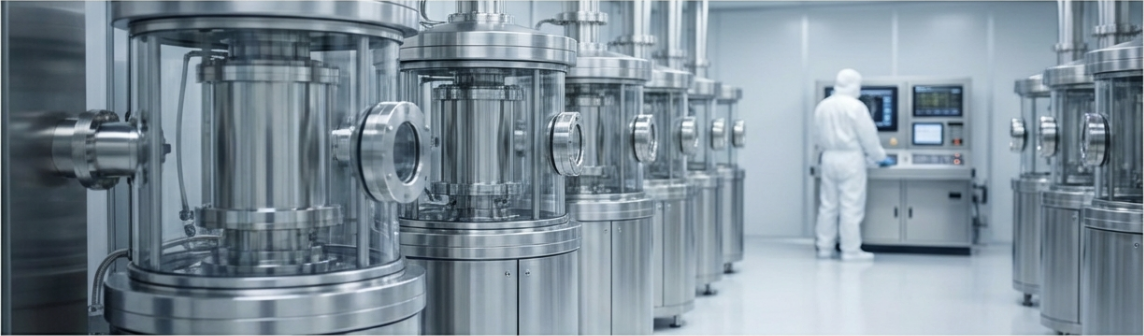
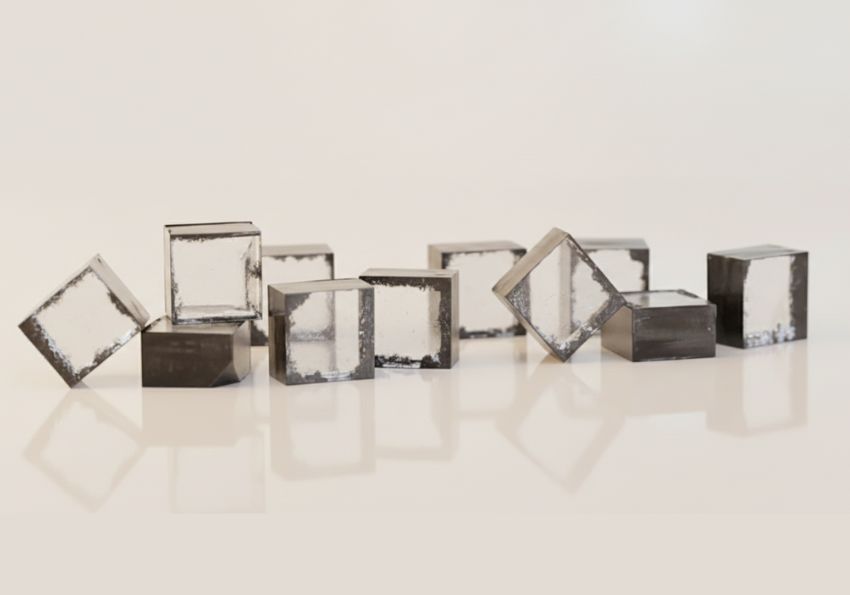
The CVD method is often described as growing a diamond from a gas cloud. The process begins with a tiny, thin slice of an existing diamond, which is known as a diamond seed. This seed can be natural or can be a previously grown lab diamond.
Technicians place this seed into a sealed vacuum chamber. Once the chamber is sealed, it is filled with a carbon-rich gas mixture, which most commonly includes methane and hydrogen.
The environment inside the chamber is then heated to extreme temperatures, often ranging between 900 and 1200 degrees Celsius.
At these high temperatures, the gas is converted into plasma. This state of matter causes the molecular bonds in the gas to break apart, releasing individual carbon atoms.
Because diamond is the most stable form of carbon in this specific environment, these atoms begin to settle onto the diamond seed.
The carbon atoms attach to the seed layer by layer, replicating the crystal structure of the original diamond slice in three dimensions.
This growth happens slowly, usually taking 2–4 weeks for standard gem-quality diamonds, though larger stones can require 4–8 weeks. To understand more about how lab-grown diamonds are made, the CVD process is one of two primary methods used in the industry.
Why is the market shifting toward CVD?
The most obvious reason for this popularity is price.

Growing a diamond in a lab is significantly more efficient than mining one from the earth. By 2025, a one-carat lab-grown diamond average a price of $1,000 or less, compared to roughly $4,200 for a natural diamond of similar quality.
This price gap allows consumers to "buy up" in terms of size and quality. In 2019, the average size of a lab-grown center stone for an engagement ring was about 1.31 carats. By 2025, that average had jumped to 2.45 carats.
Basically, people are using the savings to get a much larger, more impressive diamond for the same budget.
There is also an ethical and environmental component to the choice. Because these CVD diamonds are created in a controlled facility, they do not require the massive land displacement associated with open-pit mining.
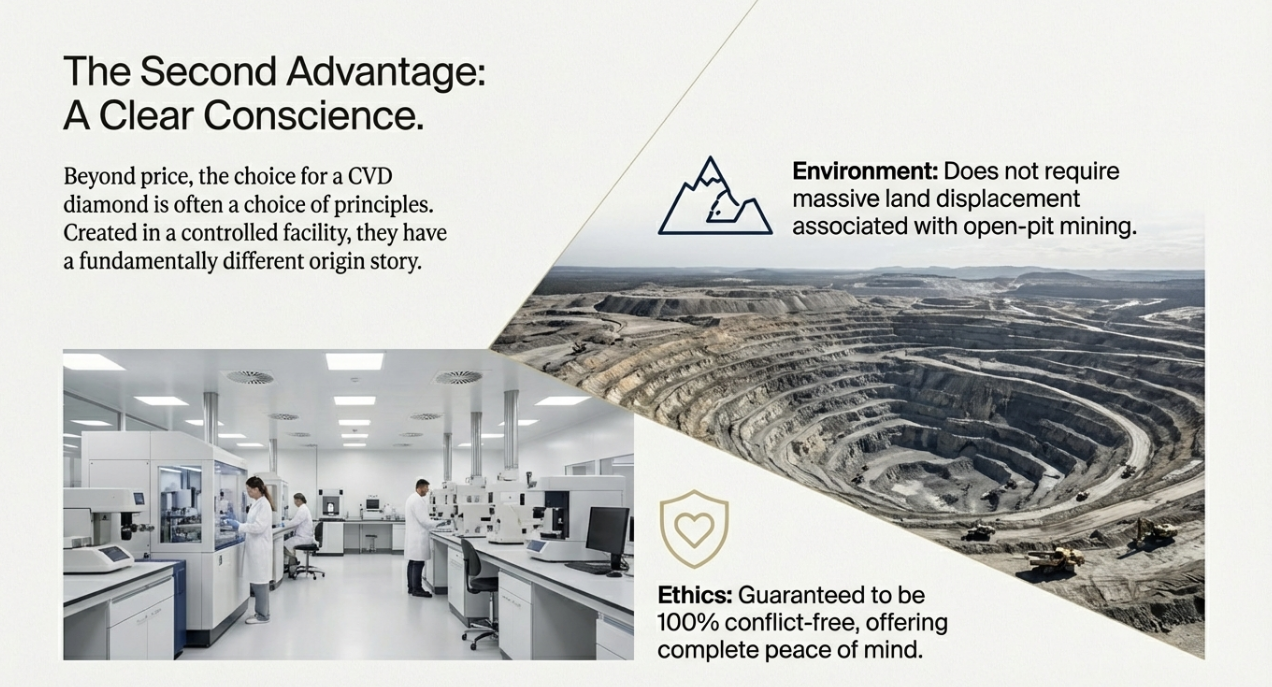
They are also guaranteed to be conflict-free, an important consideration for many modern couples. To understand the environmental impact, read about how diamonds are mined and where diamonds come from.
Can You Tell The Difference?
The simple answer is no.
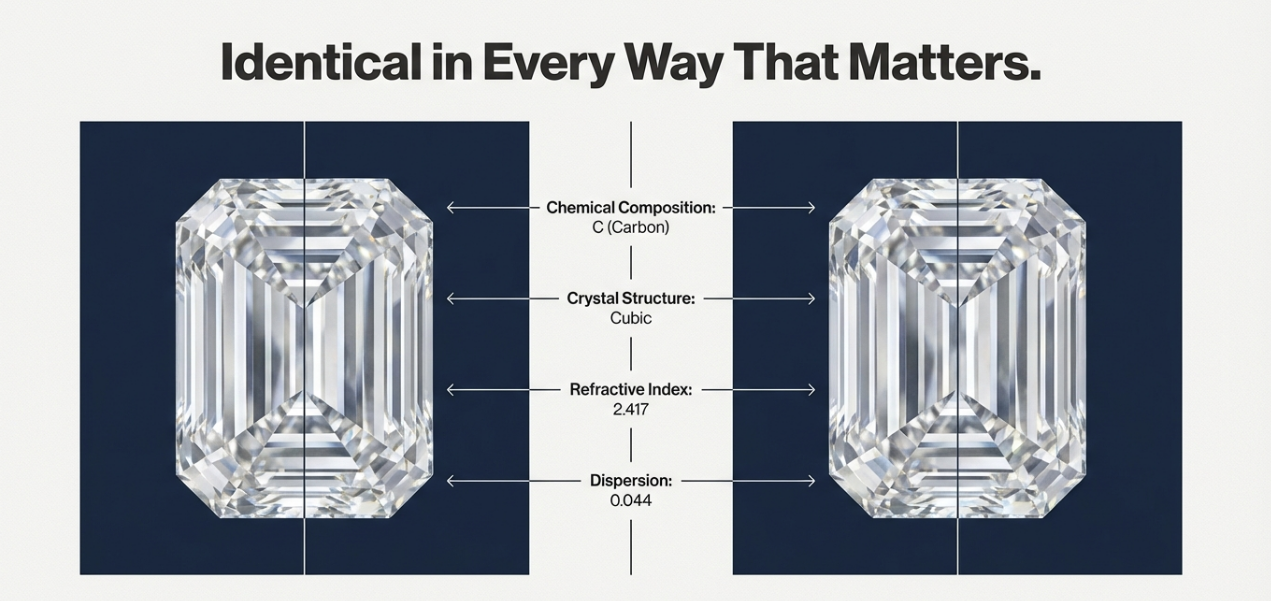
Because they are chemically the same, they have the same refractive index (2.417) and optical dispersion (0.044). This means they sparkle and break light into rainbows in the same way.
Even an experienced jeweler using a traditional magnifying loupe will struggle to spot the difference. To identify a lab-grown stone, experts look for specific growth patterns or trace elements.
For example, natural diamonds often contain trace amounts of nitrogen trapped from the Earth's atmosphere, which can be detected using a spectroscope.
CVD diamonds also tend to offer specific banded strain patterns under polarized light that are different from those found in natural stones.
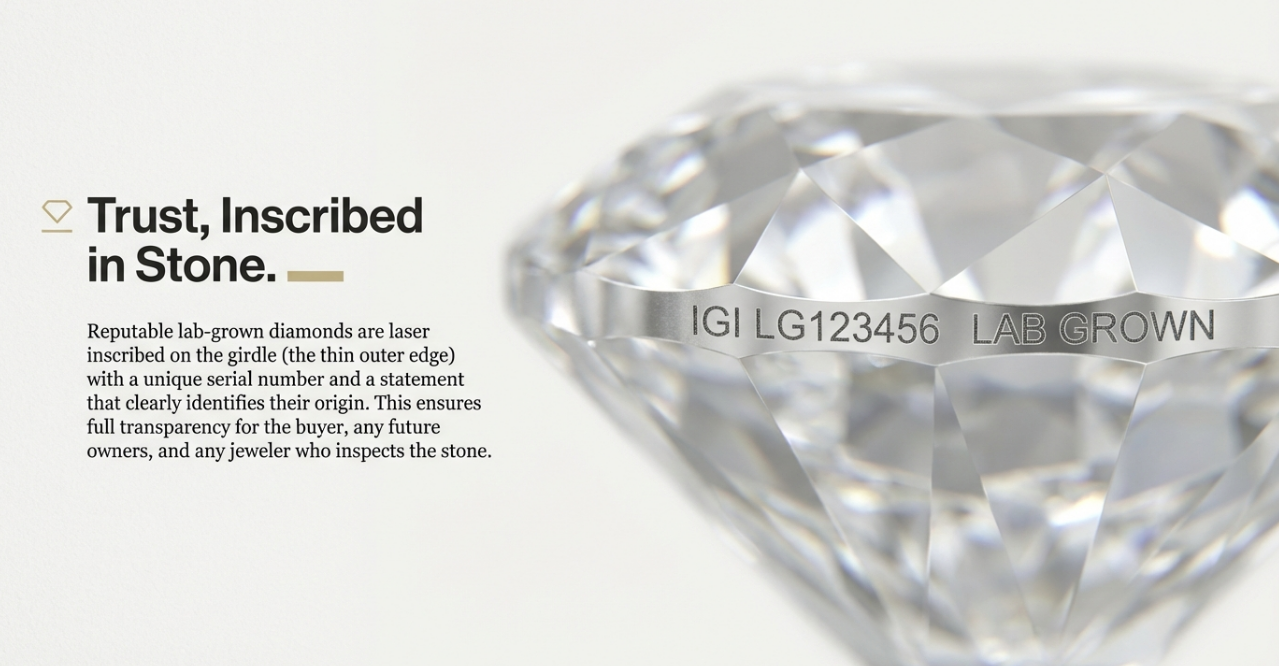
Most importantly, reputable lab-grown diamonds are laser inscribed on the girdle (the thin outer edge) with a serial number and a label that clearly identifies them as "lab-grown". This ensures full transparency for the buyer and any future owners.
If you're concerned about authenticity, learn how to tell if a diamond is real.
The Legal and Grading Assurance
Since lab-grown and natural diamonds look identical, the Federal Trade Commission (FTC) has strict rules about their sale. It is illegal to sell a lab-grown diamond without clearly and conspicuously disclosing its origin.
Phrases like "above-ground real diamonds" or "cultured diamonds" must be accompanied by terms like "laboratory-grown" or "laboratory-created" so that consumers are never misled.
Grading reports have also evolved. While the GIA (Gemological Institute of America) has long been the standard for natural diamonds, the IGI (International Gemological Institute) was faster to embrace lab-grown stones.
For a long time, IGI reports were the most common choice for CVD diamonds because they provided full details on color and clarity grades.
Recently, the GIA has updated its approach, announcing that it will use descriptive terms for lab-grown stones, such as "premium" or "standard," rather than the traditional alphabetical color scales used for mined diamonds.
This change reflects a growing industry view that lab-grown diamonds are becoming a more consistent technology product rather than a rare natural occurrence.
Choosing What Is Right For You
There is nothing like a correct choice between a CVD diamond and a natural diamond.
The right option depends on what you value most and how you want to spend your budget. Both are real diamonds with the same physical durability and longevity.
If the rarity and geological history of a naturally formed stone matter to you, a mined diamond may justify the higher price. If you prefer a diamond with a balance of size, clarity, and value, or if environmental considerations play a role in your decision, a CVD diamond can be an alternative without compromising on quality.
When it comes to choosing, Solitaire Lab Diamond offers a straightforward way to compare your options. Their focus is on certified lab-grown diamonds with clear grading details, transparent pricing, and no unnecessary complexity.
Every stone is independently certified, guaranteed to be conflict-free, and backed by a customer-friendly return policy.
It is best suited for buyers who want clarity in both the diamond itself and the buying process. Instead of pushing one option over another, the emphasis is on helping you select a stone that aligns with your priorities, whether that’s value, quality, sustainability, or long-term confidence in what you’re buying.